If you are thinking about starting a sound-based practice at home, singing bowls and tuning forks are two of the most common starting points. They are very different instruments, and the right choice depends on what you want to do with them.
Here is a practical beginner’s comparison.
The sound character
A Tibetan singing bowl, played with a leather mallet around the rim, produces a sustained tone with multiple overtones layered on top of each other. The sound fills the room. Listeners hear it acoustically and often feel it in the chest. It works well for ambient home practice, group sessions, or solo meditation where the tone is part of the environment.
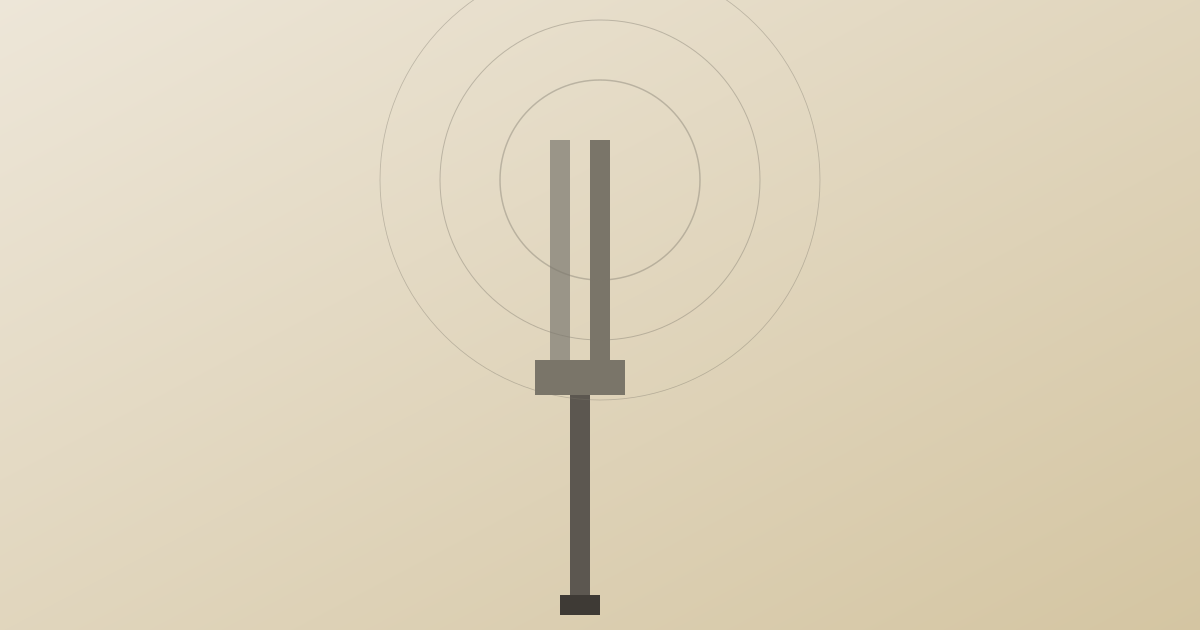
A weighted tuning fork, struck once and held near the body or in the air, produces a more focused tone. It rises, peaks, and fades within seconds unless restruck. Held near the ears or applied gently to the body, the vibration is felt directly through bone and tissue. It is a pointed instrument, not an ambient one.
Neither is more “real” or more “effective.” They are different tools for different purposes.
The learning curve
Singing bowls take practice. Producing a consistent rim-tone requires patience, the right pressure, and a feel for the bowl’s resonance. Most beginners produce uneven sound for the first few weeks. This is normal, and the practice itself becomes part of the appeal for many people.
Tuning forks are more forgiving. A clean strike produces a clean tone almost every time. For people who want a tool they can use confidently from day one, this matters.
What they actually cost
A quality singing bowl — hand-hammered or quality cast — typically costs between $80 and $300 depending on size and origin. Larger bowls and matched sets get more expensive quickly. They are also fragile and need a stable place to live.
A starter tuning fork set, with one or two weighted forks, typically runs $30 to $90. They are durable, portable, and easy to store in a drawer.
Which one to choose
Start with a singing bowl if you want a tool that fills your space with sustained tone — for meditation, ambient practice, or occasional group sessions.
Start with tuning forks if you want a portable tool you can hold near your ears or body, use confidently from the first day, and take with you when you travel.
Start with tuning forks also if you want a daily practice you can sustain without a steep learning curve. For older readers in particular, the predictability of a clean strike is often more practical.
Many practitioners eventually own both. There is no rule against starting with one and adding the other once your practice tells you what is missing.
Before you buy
A few practical tips:
- Listen to recordings of both on good headphones before buying. Notice which one your body responds to.
- Start small. A starter tuning fork or a single medium-sized bowl is enough. You can add more later.
- Check return policies. Both instruments are personal — if something doesn’t resonate with you, you want the option to exchange it.
- Trust your own ear. Don’t let marketing language convince you that a specific frequency or metal composition is “correct.” The right instrument is the one you actually enjoy playing.
A note on frequency claims
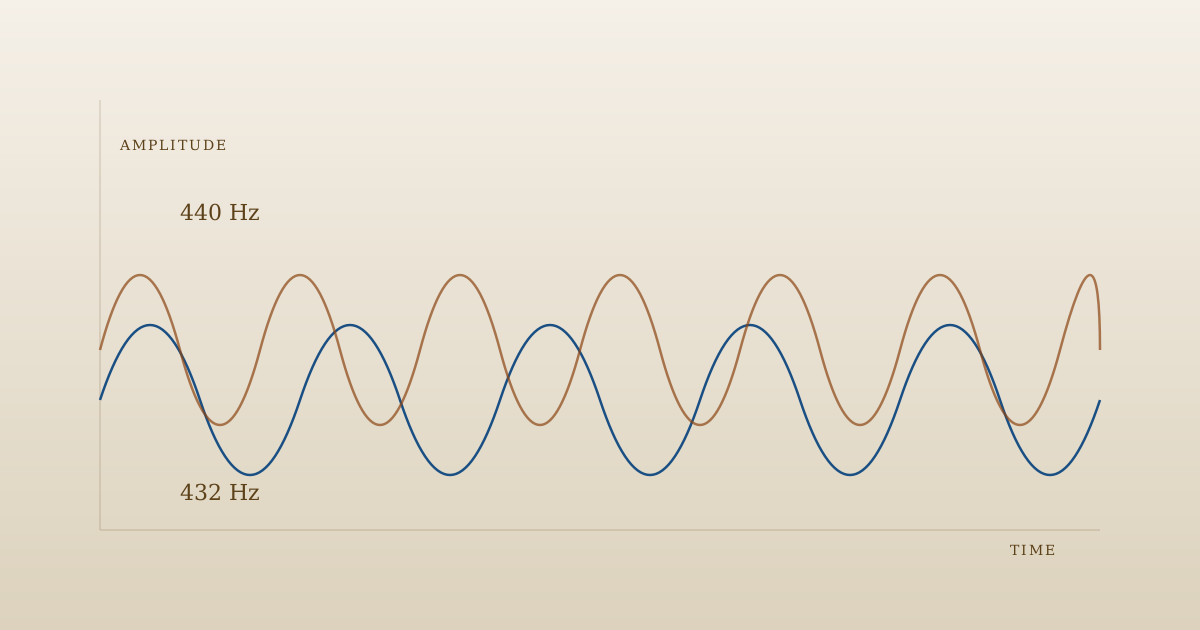
Some sellers attach specific therapeutic claims to specific bowls or forks — “this C note tuning fork addresses the heart chakra” or “this bowl resonates at 528 Hz for transformation.” These claims are not supported by peer-reviewed research and should not drive your purchase decision.
The honest framing is that singing bowls and tuning forks are contemplative instruments. They produce pleasant sounds and sensations. Whether you find them supportive for your own practice is a matter of personal experience, not a medical fact.
Before investing in physical tools
If you want to explore the character of different tones and frequencies before committing to physical instruments, a desktop audio tool can demonstrate the difference between tones and tunings at your own pace. That can help clarify what you actually want in a physical instrument — and whether your interest is the instrument itself or the calming practice it supports.
Desktop Retuning Lab
We cite it when a story needs a heavier comparison bench rather than a quick consumer-facing demo.
If you want to compare frequency characteristics before investing in physical instruments, a desktop audio tool can demonstrate the difference between tones at various intervals.Common reader questions
Can I use both singing bowls and tuning forks?
Yes. Many practitioners use both as complementary tools. If you are just starting, pick the one that matches what you want to do most often and add the other later if your practice suggests you need it.
Are crystal singing bowls different from metal ones?
Yes. Crystal bowls produce a purer, more sustained single-tone sound. Metal bowls produce richer overtones and warmer character. Most people find one or the other more pleasant — trust your own listening.
Do tuning forks held to the body do anything therapeutic?
The vibration is real and many people find it pleasant or grounding. Whether it produces specific therapeutic effects beyond general relaxation is not well-established in peer-reviewed research. Use them as a calming practice, not as medical treatment.